
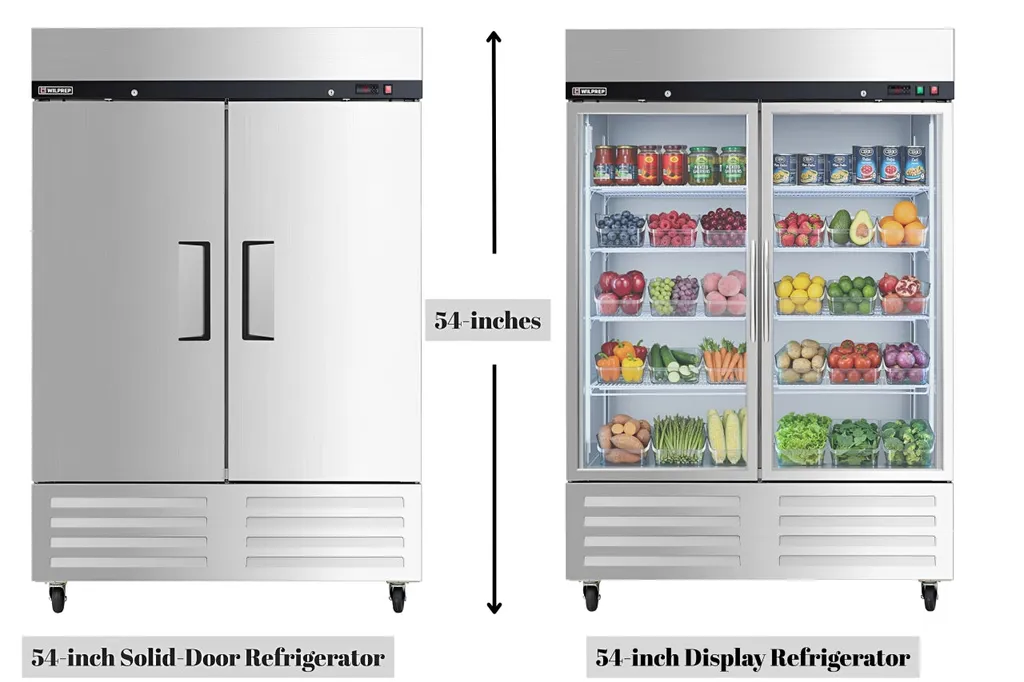
In the commercial food service industry, temperature management stands as the primary line of defense against foodborne illnesses and inventory degradation. Health inspectors prioritize cold chain integrity during routine facility audits, requiring commercial kitchens to maintain strict temperature zones for perishable ingredients. Achieving this level of reliability demands specialized equipment designed to endure frequent door openings, heavy usage, and high ambient kitchen temperatures.
While residential refrigerators rely on passive airflow and intermittent cooling cycles, high-grade commercial kitchen equipment incorporates forced-air refrigeration systems and heavy-duty compressors. These engineering components ensure rapid temperature recovery every time a chef accesses stored produce, meats, or dairy items during peak service hours.
Key Regulatory Certifications for Restaurant Compliance
When selecting cold storage units for commercial food preparation, operators must ensure equipment complies with municipal sanitation standards. Recognized safety bodies like Sanitation (NSF), ETL, and UL evaluate refrigeration equipment under rigorous operational loads. These certifications confirm that the materials used in internal cabinets are non-toxic, easy to sanitize, and structurally sound under commercial operating conditions.
When evaluating options among modern commercial refrigerators, restaurant managers typically look for the following compliance features:
- Digital Temperature Controllers: Precision electronic thermostats allow kitchen staff to monitor internal cabinet temperatures continuously without opening doors.
- Stainless Steel Interiors and Exteriors: Grade-304 or high-durability stainless steel resists corrosion from food acids and withstands aggressive daily sanitization routines.
- Self-Closing and Stay-Open Doors: Torsion-spring door hinges ensure cabinets close automatically to conserve energy, while a 90-degree stay-open feature simplifies inventory loading.
Selecting Between Reach-In Refrigerators and Freezers
Storage capacity needs vary depending on menu complexity and delivery schedules. Facilities receiving fresh seafood or flash-frozen goods daily require specialized sub-zero storage to preserve ingredient cell structure and prevent frost accumulation.
Integrating a dedicated reach-in freezer into the main cookline allows prep cooks to retrieve frozen stocks quickly without departing from their primary work stations. Balancing reach-in cooling units with prep-table storage optimizes kitchen foot traffic and reduces unnecessary steps during high-volume meal preparation.
Best Practices for Daily Equipment Maintenance
To maximize the operational lifespan of commercial cooling units, kitchen managers should establish routine preventative maintenance schedules. Condenser coils should be vacuumed monthly to clear grease and flour dust accumulation. Additionally, magnetic door gaskets must be inspected regularly for tears or cracks that could leak cold air, causing compressor strain and inflated utility expenses.